
The India Conversion Code: How Indian Luxury Travel Is Actually Sold and Why Deals Die After ‘Sounds Great’
Illume Intelligence | From the Illume Knowledge Series
From Fireside Chat: The India Conversion Code, Illume 2026, Jaipur
Travel designers in India carry approximately 80% of the influence over the final hotel and itinerary choice. In a market of 20 luxury hotel options, the client asks for three recommendations and is guided to one. That single statistic, shared by Anshul Shah, CEO of All 4 Season, reframes the entire commercial equation for any international supplier trying to convert business from India.
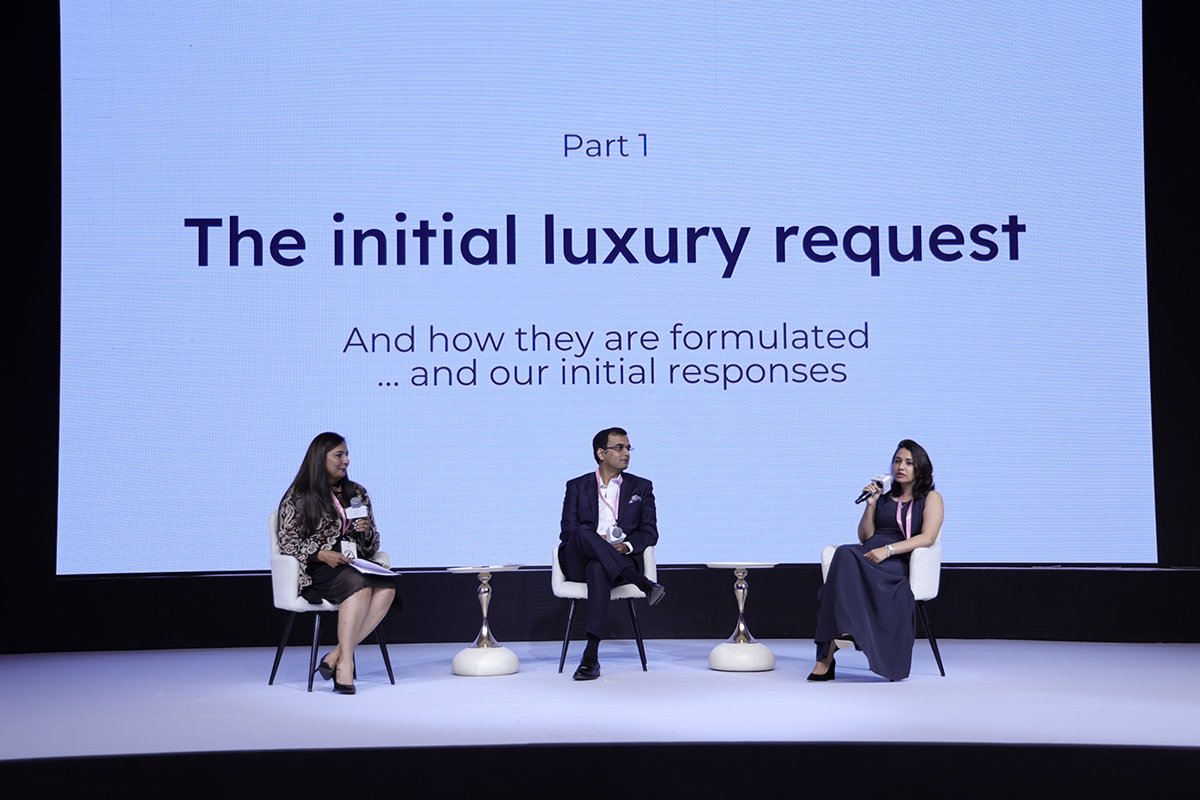
This fireside chat between Anshul Shah, Loveleen Multani Arun of Panache World, and Bhakti Taunk of Eastern Travels walked through the full lifecycle of a luxury booking, from how inquiries arrive, through the labyrinth of indecision, to the precise moments where conversions are won or lost. What emerged was a picture of a market where relationships, responsiveness, and understanding of Indian social dynamics determine outcomes far more than pricing or product.
How Business Starts: For HNI and ultra-HNI clients, acquisition is almost entirely referral-driven. Bhakti Taunk was direct: one happy client generates five more. Clients who arrive referenced through their immediate circle, friends, family, trusted associates, are already serious. They are not shopping. They know the service standards on offer, and half the credibility work is already done. Most top clients, she added, are not on social media. They are not making decisions based on what’s trending.
The corollary is important: leading travel designers now operate on a fee model precisely to sift serious clients from those who are not yet invested. Everything is hyperpersonalised, and that investment must be mutual.
The Indecision Labyrinth: Even after a destination is confirmed, multiple changes are standard. The panellists described two client types, those with a precise bucket-list brief, and those who arrive with nothing more specific than “send me somewhere”, but both are subject to the same dynamics: group decision-making across families, social commitments that override travel plans, and practical failures that surface only at payment stage. Bhakti gave the example of a multi-generational group booking for Dubai that collapsed when the nanny was discovered not to have a passport, at the point of payment.
Anshul described a live example of a 20-person group booking that has moved from South America to Japan to Mexico within the same planning cycle. The circle of influence, particularly in group travel where the person talking to the designer may not be the final decision-maker, creates a process where consensus is rebuilt repeatedly.
What Makes or Breaks the Conversion: Two factors emerged as decisive. The first is the personal relationship between the travel designer and the supplier. Anshul was clear: the insurance of knowing someone will bail you out when something goes wrong matters far more than a $20 or $30 rate difference. Preferred partnerships built on genuine personal trust are the conversion engine.
The second is rate parity. Loveleen shared an example that landed hard: a client whose annual spend runs into the high six figures discovered his rate was 25% cheaper through another channel on the same dates. The damage to trust, between the client and the designer, between the designer and the hotel, was immediate and lasting.
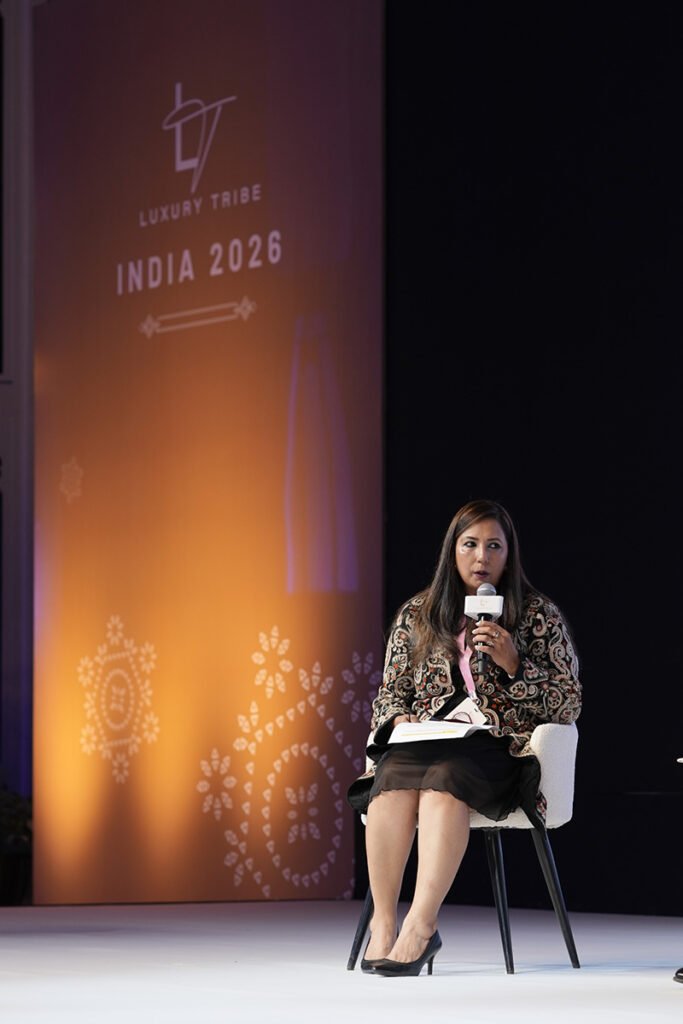
“The moment, and we all share information in the back end. We are all competitors but friends where it comes to sharing information on which hotel undercut the rate in the market.” — Loveleen Multani Arun, Co-Founder, Panache World
Travel designers share rate intelligence with each other. A rate parity violation in one transaction does not stay contained — it radiates across the market instantly.
Responsiveness and Tacit Knowledge: The panellists were equally direct about supplier responsiveness. Indian travel designers send detailed, highly personalised requests, travel style, experiences, children’s ages, parents’ mobility, dietary requirements, specific dates. They need equally tailored responses. Anshul Shah was pointed about what suppliers should ask for in return, and why a clear budget question early is a courtesy rather than an imposition.
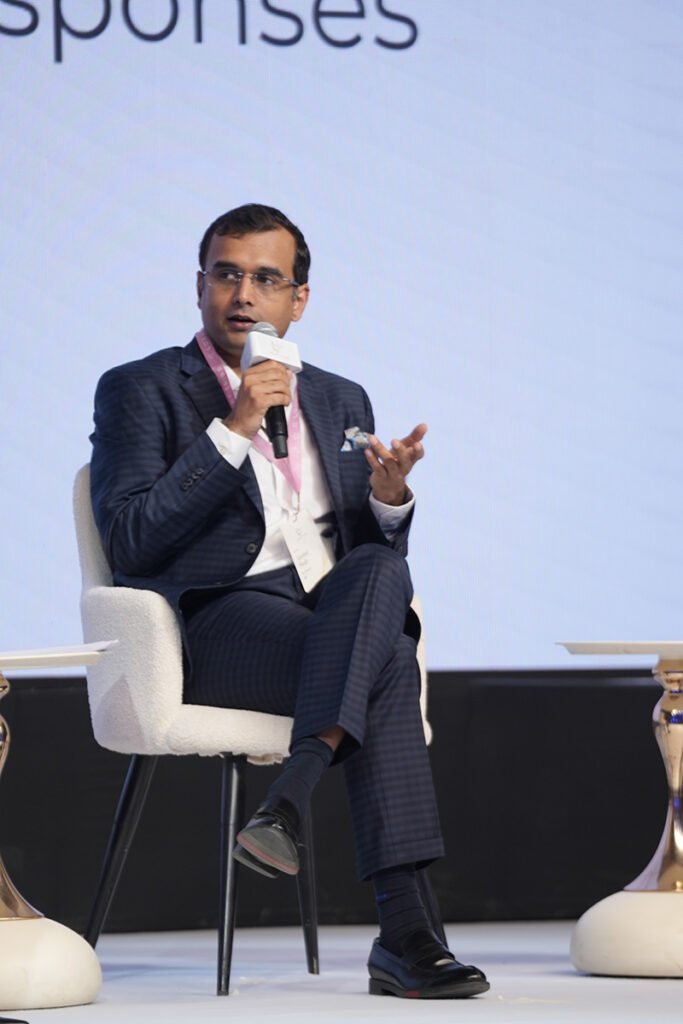
“Ask the budget. From an Indian agent perspective everybody says we are luxury — but there are different kinds of luxuries. Ask this question in the beginning, so that we also categorise our client.”
— Anshul Shah, CEO, All 4 Season
Bhakti flagged that being met with terms, conditions, and fees in an initial response is off-putting. Loveleen described the level of detail Indian clients demand as routine: floor plans, room connectivity, bed orientation, view from the parents’ room, exact room temperature settings, and the client has not yet put money on the table.
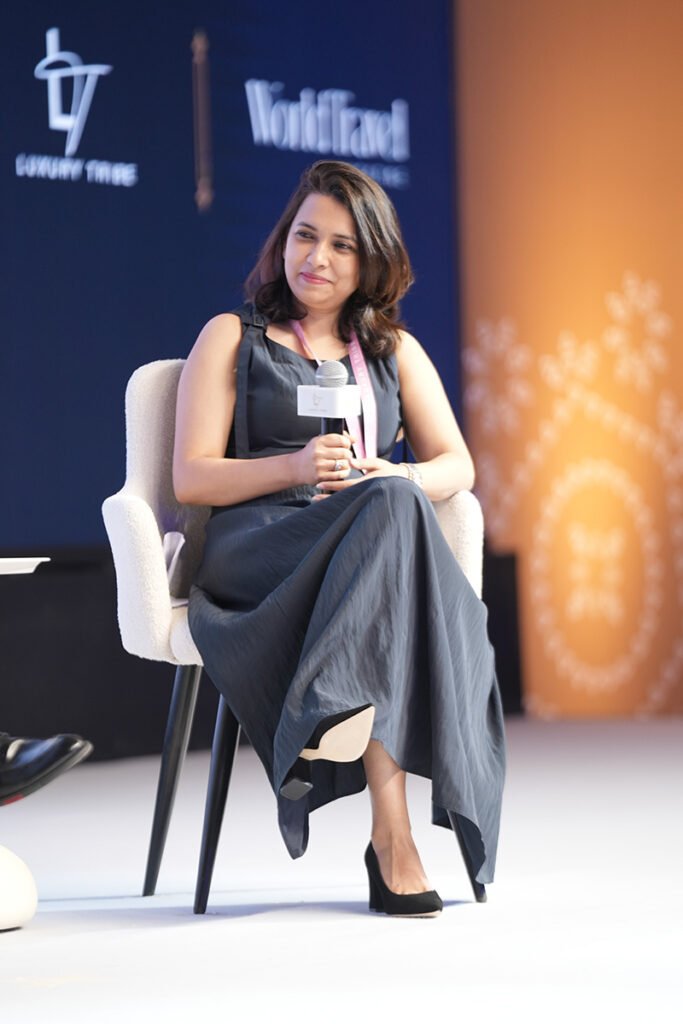
“Please don’t send us cookie-cutter responses. Please don’t send us template-ready itineraries, because they don’t work.” — Bhakti Taunk, Director, Eastern Travels
Beyond responsiveness, tacit knowledge separates a transactional supplier from a strategic one. Bhakti described what she needs from her DMC partners: proactively flag that moving dates by three days hits off-peak pricing; tell her that a particular room won’t get the views; let her know that flamingo season in Naivasha doesn’t align with her client’s dates. This is the knowledge that cannot be found on a website, and it is what earns a DMC repeat business year after year.
What Converts: The session closed with a practical consensus. Pick up the phone. Send a one-line WhatsApp. Explain offers properly instead of sending cryptic promotional names. Look for bundled value across properties, Loveleen described a hotel group in Vienna that offered 20% off across three properties when the client’s itinerary touched all three cities, and every other hotel under consideration dropped out immediately.
“I know of one sales director of a very high-end group, all the teams will be going back and forth and she’ll just chirp in with one line saying ‘hi Loveleen, I know you’re doing this, I’m here to help whenever you want.’ That just does it for me, and I will push that hotel over all of the others.” — Loveleen Multani Arun, Co-Founder, Panache World
The message from inside the room was consistent: India is a market where conversion is earned through relationship, responsiveness, and the respect embedded in small gestures. The suppliers who understand that, and show up accordingly, earn business that compounds over years and across generations of clients.
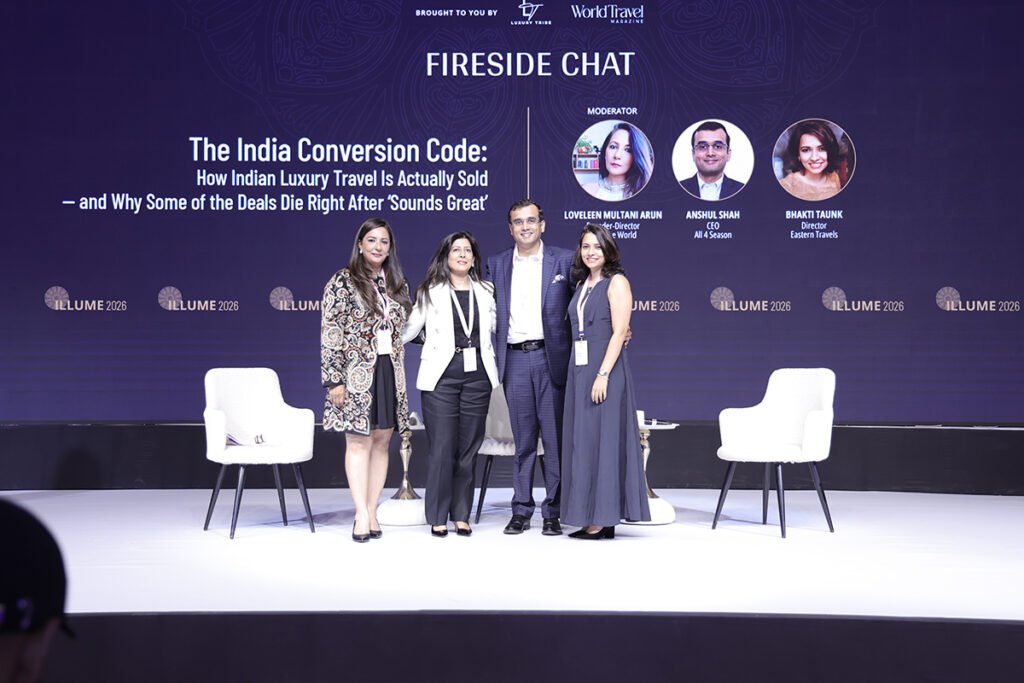
About this session: The India Conversion Code was a fireside chat convened to trace the full lifecycle of a luxury booking in India: how enquiries arrive, why they stall between interest and commitment, and what ultimately converts them. The conversation was designed to surface the operational realities of the Indian channel, referral dynamics, the influence of the travel designer, rate parity, responsiveness, and the tacit knowledge that separates a transactional supplier from a strategic partner. It brought together Loveleen Multani Arun (Co-Founder, Panache World), Anshul Shah (CEO, All 4 Season), and Bhakti Taunk (Director, Eastern Travels). This session formed part of Illume 2026 by Luxury Tribe, held in Jaipur, the invitation-only forum where India’s luxury travel trade speaks candidly about the market it actually operates in.