
New to India, Open for India: Three Destinations Making Their Case
Illume Intelligence | From the Illume Knowledge Series
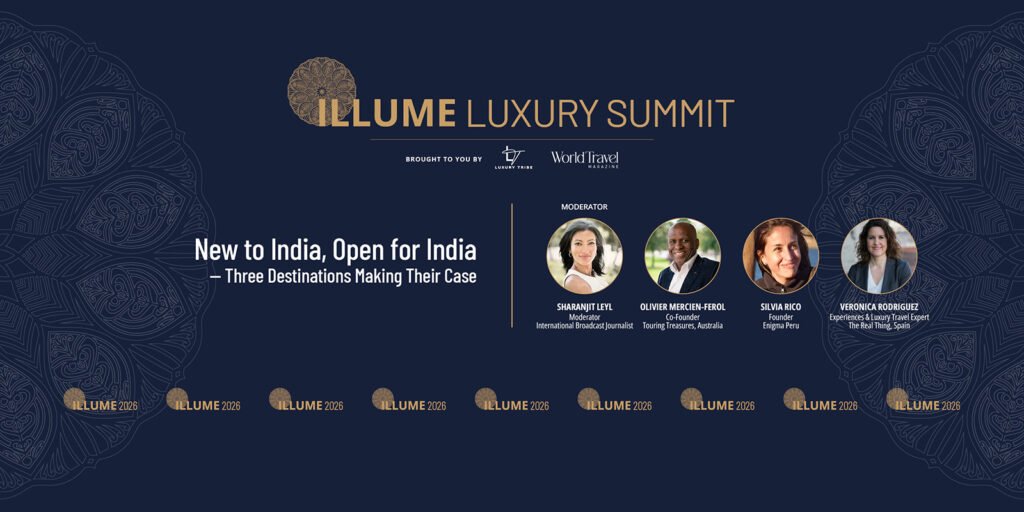
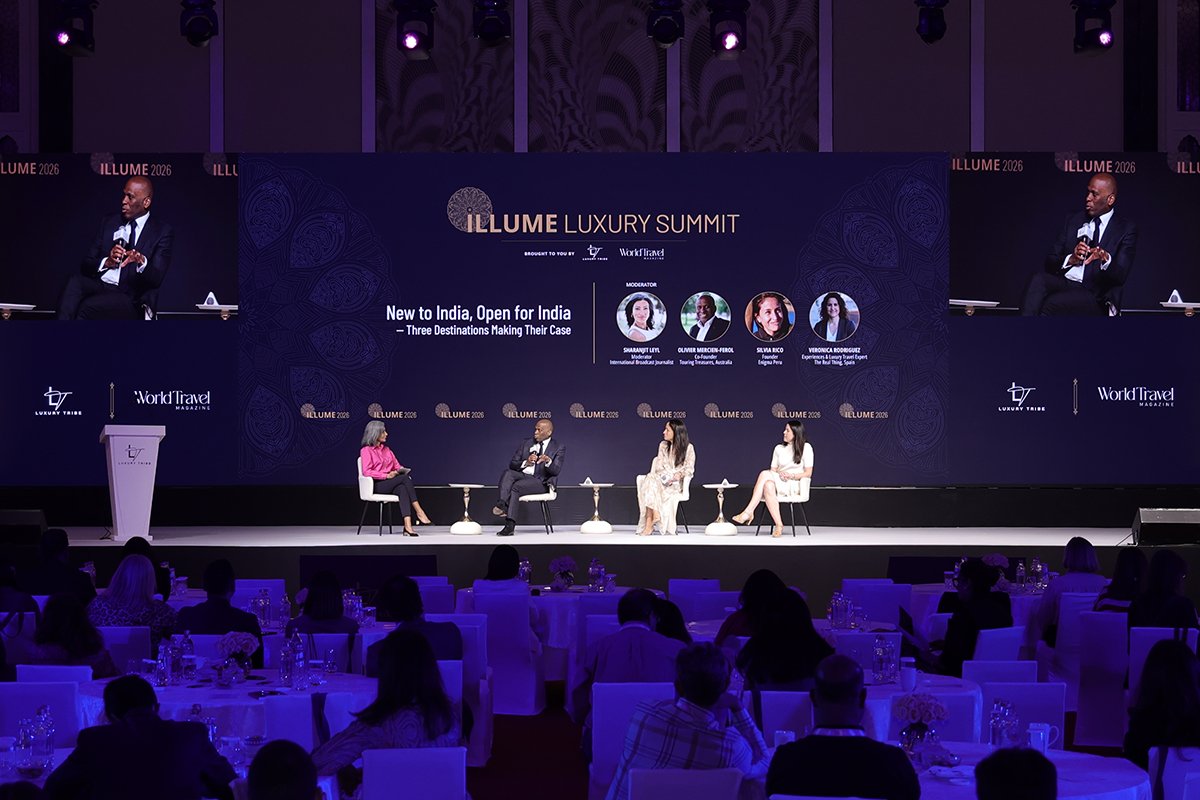
From Panel: New to India, Open for India — Illume 2026, Jaipur
The most extraordinary experiences in luxury travel are never listed anywhere. They are not on a website, not in a GDS, not in any booking system. They exist because of relationships built over years, and they are unlocked by a single variable that has nothing to do with how much a client is willing to spend. That variable is information.
This was the through-line of a panel that brought together three experiential operators relatively new to the Indian market, Olivier Mercier-Ferol of Touring Treasures in Australia, Silvia Rico of Enigma Peru, and Veronica Rodriguez of The Real Thing in Spain, moderated by Sharanjit Leyl. Three different continents, three different philosophies, and one shared conviction: access is earned through depth of client knowledge, not depth of client wallet.
Each operator defined their edge differently. For Touring Treasures, it is what Mercier-Ferol calls the art of opening doors closed to the public, and ensuring what lies beyond them is genuinely worth the access.
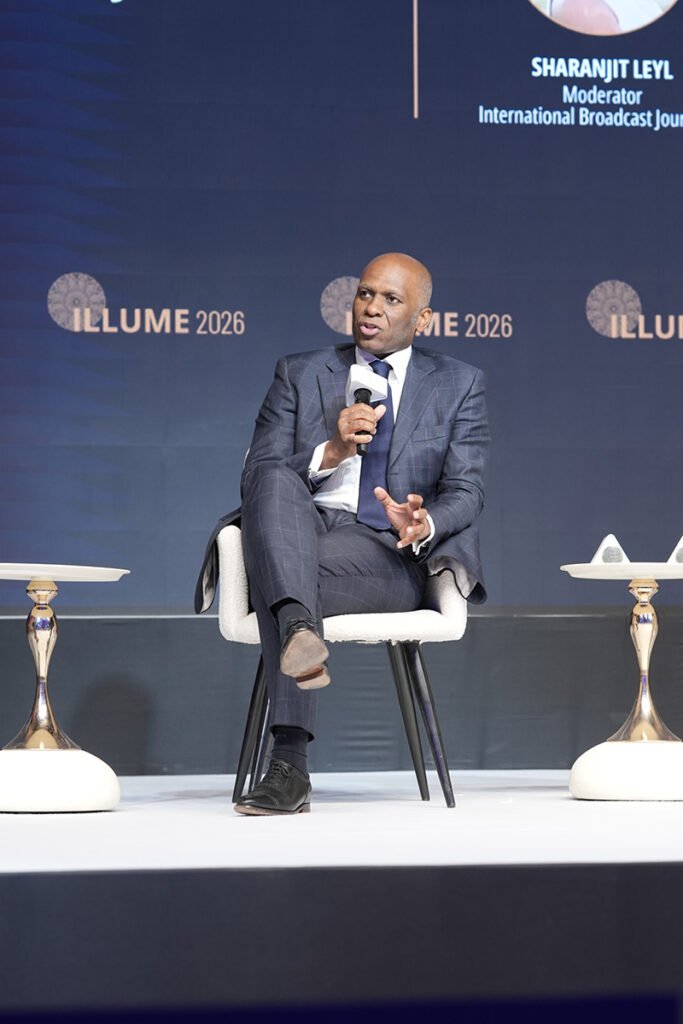
“It’s not just about opening the doors. It’s about accessing something special beyond that door. Everything is possible — as long as it’s legal.”
— Olivier Mercier-Ferol, Co-Founder & Executive Director, Touring Treasures
For Enigma Peru, the edge is designing and operating experiences with their own staff and a near-absolute flexibility, including, on one occasion, chartering the presidential plane for a client who needed a jet where conventional aviation could not deliver. Rico’s mantra, delivered with a smile, is that anything is possible as long as there is water and it is legal. For The Real Thing, the edge is heritage and the relationships that come with it, an experience built around the great-great-granddaughter of a family that commissioned Gaudí’s Park Güell, where guests visit her private home, meet her family, and sit among authentic Gaudí furniture still in the house.
What has changed in the last three years is not the existence of these experiences but the ability to reach them. Rico described Peru’s transformation candidly: the experiences were always there, but the infrastructure to deliver them to high-net-worth clients was not. State-of-the-art trains, Amazon cruises, properties with a genuine sense of place, and the arrival of private aviation have unlocked destinations that were previously unreachable, among them the birthplace of the Amazon River at the Mismi volcano in Arequipa, which she noted almost no one offers. Rodriguez pointed to a parallel shift in Spain and Portugal.
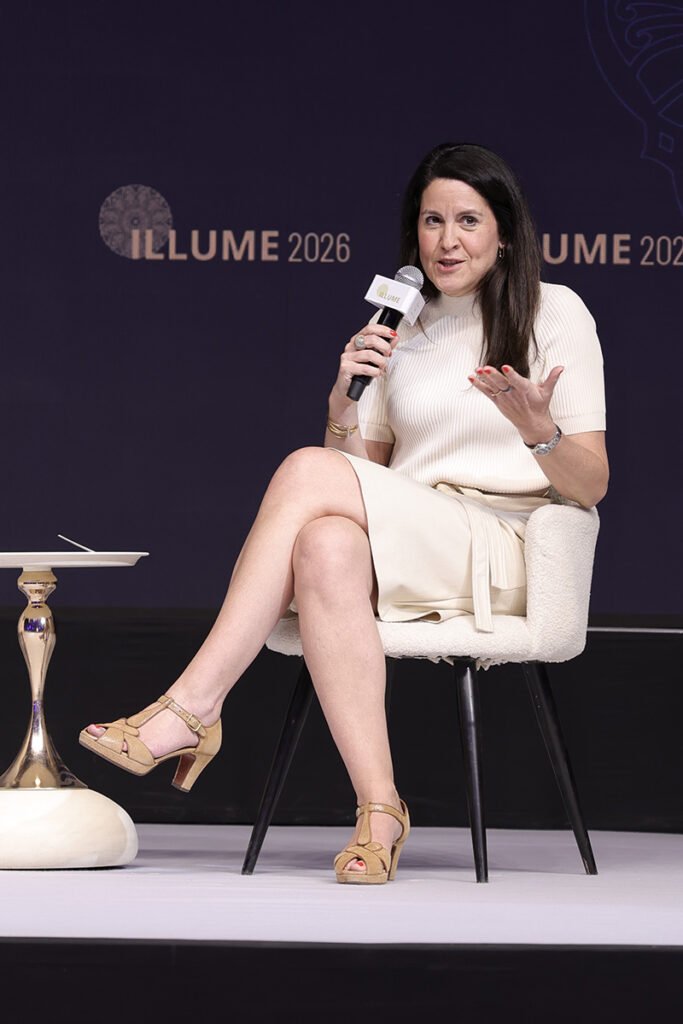
“The largest revolution is the opening of new properties that are very small, very boutique — family-owned, under 12 rooms. You’re never going to find that on the internet or any booking system. You really need to know the family — and they’re at the point where they can nearly choose who they want to host.”
— Veronica Rodriguez, The Real Thing, Spain
Mercier-Ferol’s account of how experiences are built reframes what “bespoke” actually means in practice. He described creating a helicopter route in Australia’s Gippsland region from scratch, connecting with a winery, building a makeshift helipad, and assembling a food-and-wine experience with a chef who had never worked outside his own kitchen. He described a 360-degree pearl journey with Paspaley, from the Kimberley farms by seaplane to the Sydney flagship vault, triggered entirely by the single piece of information that the client loved pearls. None of this comes from a catalogue. As he put it, there is no menu where you click one, two, and three.
Which leads to the panel’s central commercial argument: who gets access. All three were unequivocal that spend does not decide it. Silvia Rico described doors in Peru that open for reasons money cannot buy.
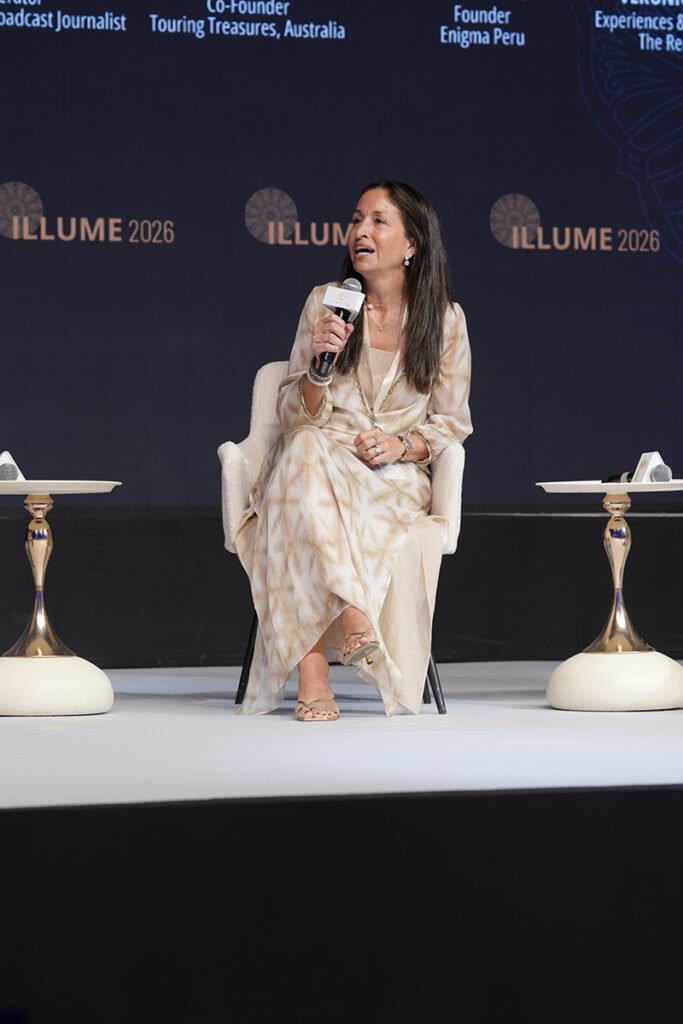
“Sometimes we have contacts or access to people who are going to accept meeting these clients not because they want to be paid, but because they have an interesting profile as well. It doesn’t need to be a celebrity. It needs to be someone passionate.”
— Silvia Rico, CEO & Founder, Enigma Peru
The gating factor is how well the operator understands who is travelling, and that depends entirely on what the travel advisor is willing to share.
“There’s a hotel for each client, there’s an experience for each client. The more information you have, the more tailored it will be. And the travel advisors play a key role — because they are the ones who really know what their clients are like for real.”
— Veronica Rodriguez, The Real Thing, Spain
On the Indian traveller specifically, the operators were candid about being early in the journey and clear about what they had learned. Rodriguez described Indian clients as family-oriented and group-focused, requiring a high degree of flexibility, which carries real operational tension when bespoke experiences have been locked in with specific people at specific times, and changes become difficult or impossible to accommodate. Rico described a strong and exciting appetite for adventure and outdoor experiences, including adventure honeymoons. And Mercier-Ferol, who entered the market in November 2024 and managed the honeymoon of one of India’s most prominent ultra-high-net-worth families early on, described the emotional register of the Indian traveller as the thing that struck him most.
“They’re really interested in so many things — art, culture. When they travel, they make me cry, make me happy, create emotion. This is really, really strong.”
— Olivier Mercier-Ferol, Co-Founder & Executive Director, Touring Treasures
The panel converged on one practical tool above all others: the three-way call between the DMC, the travel advisor, and the client. Mercier-Ferol described it as a triangle discussion that increases conversion by twenty times, the operator effectively wearing the advisor’s brand, with no mention of their own name, building the client’s trust and beginning the journey of discovery before any travel has happened. Rico called these calls gold, particularly for new markets and new destinations where the advisor cannot be expected to know what is happening in every corner of the planet. The model extends past conversion into delivery, Touring Treasures’ principle of “let us take care of your guest while you’re sleeping,” with 24-hour on-the-ground support through a shared WhatsApp group, addresses the practical reality that an advisor in India cannot personally manage a client’s 3am problem on the other side of the world.
For any DMC or destination weighing the Indian market, the reading is clear and slightly counterintuitive. The instinct is to lead with product, the properties, the experiences, the access. What this panel demonstrated is that the product is downstream of the relationship. The operators who win Indian business are the ones who make it safe for an advisor to hand over their client in full trust, who ask for information rather than budgets, and who treat the advisor not as a channel to be sold through but as a partner whose client knowledge is the key to everything else.
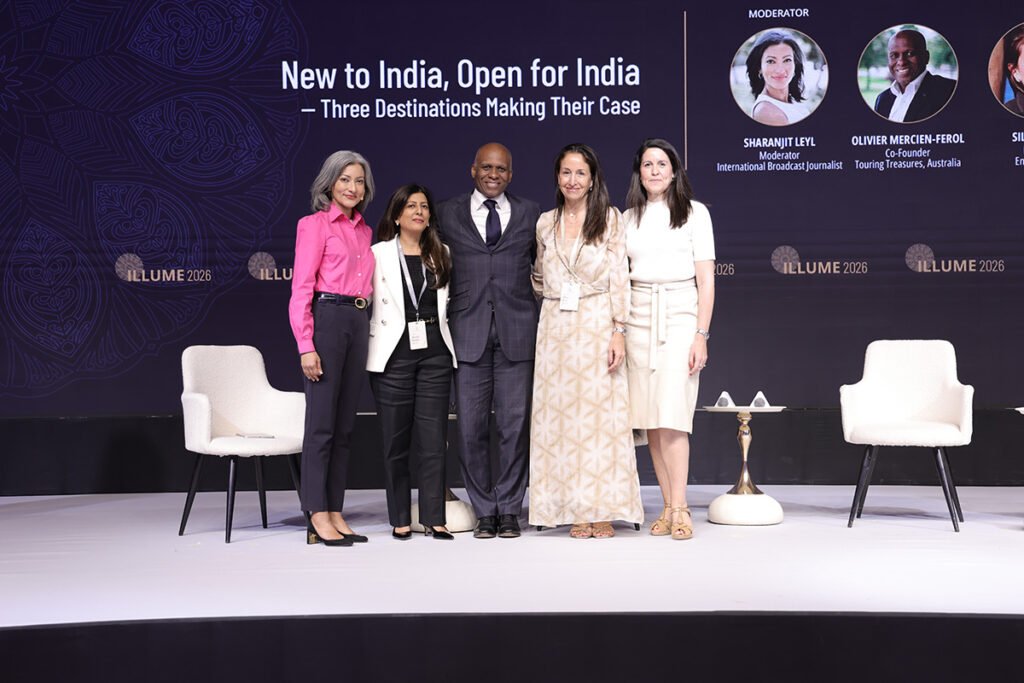
About this session: New to India, Open for India was a panel convened to hear how experiential operators relatively new to the Indian market define their edge and approach its travellers. The conversation set out to surface what genuinely differentiates a destination, the access unavailable to the public, the role of client information over budget, the operational realities of the Indian traveller, and the three-way call between DMC, advisor and client that turns interest into bookings. It brought together Olivier Mercier-Ferol (Co-Founder & Executive Director, Touring Treasures, Australia), Silvia Rico (Enigma Peru), and Veronica Rodriguez (The Real Thing, Spain), moderated by Sharanjit Leyl. This session formed part of Illume 2026 by Luxury Tribe, held in Jaipur, the invitation-only forum where India’s luxury travel trade speaks candidly about the market it actually operates in.